On December 10, 2026, Rocky Mountain Wild will be hosting their Wild & Scenic On Tour Event at the Bug Theatre in Denver, CO. This year’s lineup touches on several issues Rocky Mountain Wild is working on across Colorado, including public lands, wildlife connectivity, bats, and pika research. The film Speaking Eep! has the closest connection to their own work through the Colorado Pika Project, and after the film Dr. Chris Ray, Rachel Billings, and RMW’s Megan Mueller talk about pika research in the Rockies. The other films give will connect broader conservation stories to work their team is doing around oil and gas development, wildlife crossings, and Colorado Bat Watch. They want people to enjoy the films but also leave with a clearer sense of what some of these issues look like in Colorado.
Rocky Mountain Wild is a 501(c)3 created by the merger of two of Colorado’s most trusted and effective conservation organizations, Center for Native Ecosystems and Colorado Wild. Recognizing the need to stem dramatic losses of native species and habitat, these organizations joined forces to protect, connect, and restore wildlife and wild lands of the region.
Rocky Mountain Wild has a long and rich history. Each of their predecessor organizations, along with the Southern Rockies Ecosystem Project (which joined Center for Native Ecosystems in 2008), enjoyed more than a dozen years of successful conservation advocacy. Their staff shares 108 years of conservation experience and has protected over 2 million acres of wildlife habitat.
Today, Rocky Mountain Wild protects wild lands for wildlife throughout the Southern Rocky Mountain region of Colorado, southern Wyoming, eastern Utah, and northern New Mexico. In order to secure a biologically healthy future for the wildlife and people of their Rocky Mountain home, they protect at-risk species and ecosystems, connect core habitats for wildlife to create a network of natural areas and give wildlife room to roam, restore degraded habitats and native species that once populated the region, and build community and collaborations with people, organizations, and agencies.
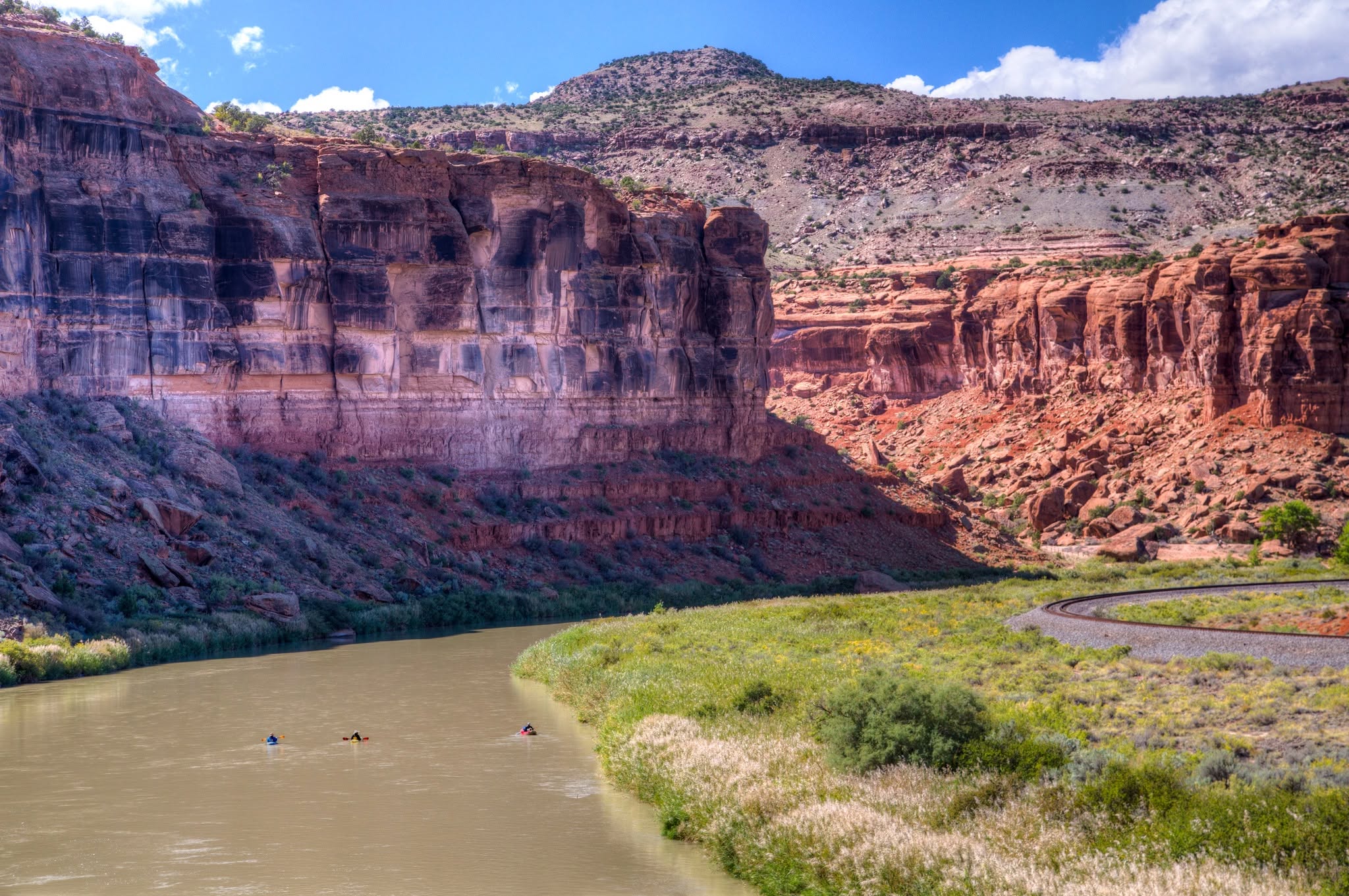
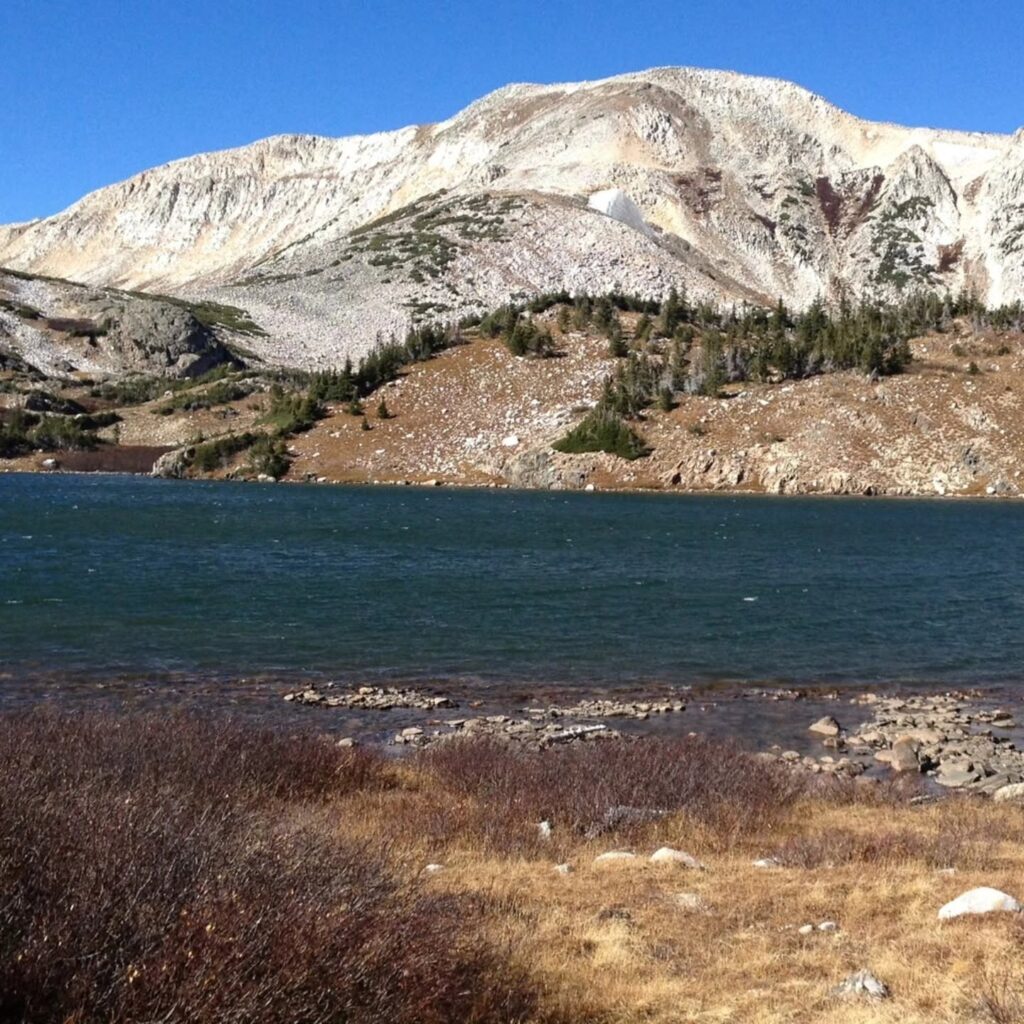
Rocky Mountain Wild works to protect, connect, and restore wildlife and wild lands in the Southern Rocky Mountain region. They envision a biologically healthy future for their region – one that includes a diversity of species and ecosystems, thriving populations of wildlife, and a sustainable coexistence between people and nature. Using research, community science, legal action, and advanced geospatial analysis, they offer solutions for conserving the most at-risk animal and plant species and landscapes.
They are actively building a diverse community of educators, students, activists, philanthropists, and community scientists to help make their vision a reality. From providing guidance on their board of directors to helping them collect data in the field, their community makes their work possible – and fun.
 Robbin Meneses, Rocky Mountain Wild’s Development Director, says, “A lot of Rocky Mountain Wild’s work happens behind the scenes. Our staff are mapping wildlife habitat, reviewing oil and gas lease parcels, analyzing where animals need safe passage across roads and development, working with scientists, and helping hundreds of community scientists collect data on pikas and bats. Wild & Scenic gives us a way to put those pieces of RMW together in one room and make them easier for people to see and understand. It also helps fund that work while bringing in people who may eventually become volunteers, donors, community scientists, partners, or advocates.”
When asked what his favorite thing about putting on this event is, Robbin says, “My favorite part is seeing people in other places wrestling with some of the same things we are working on at Rocky Mountain Wild. Decades in the Making stood out to me right away because they are dealing with oil and gas leases on a landscape they are trying to protect, and that is the kind of thing our GIS team is constantly looking at here in Colorado. The same goes for wildlife movement in Cougar Crossing, and the research happening in Bat Vax and Speaking Eep! feels familiar because of our work with bats and pikas. I just like seeing how some of the same conservation problems show up in different places, and how people are figuring out their own ways to work through them.”