The Wild & Scenic Film Festival On Tour event hosted by Healthy Gulf in New Orleans on February 28, 2026 demonstrated how festival partners can create a full day of community engagement that extends far beyond the film screening itself. Held at the vibrant outdoor venue, The Broadside and the neighboring Broad Theater, the event blended environmental storytelling with food, music, and interactive art. Attendees gathered throughout the afternoon to enjoy a crawfish boil, live music, and hands-on programming designed to connect people of all ages with Gulf Coast culture and conservation.
In December of 1994, representatives from various conservation organizations across the Gulf of Mexico held a meeting in Four Mile Village, Florida, to discuss the need for, and shared interest in, forming a Gulf-wide coalition. On June 3, 1995, these representatives met in St. Petersburg, Florida to plan and establish Gulf Restoration Network’s (now Healthy Gulf) priority issues. These priorities included reducing pollution in their waterways, preserving Gulf wetlands, requiring sustainable management of Gulf fisheries, and protecting threatened and endangered species. On August 29, 1995, the formation of Gulf Restoration Network was formally announced through simultaneous press events in New Orleans and Tampa.
In the beginning, Healthy Gulf operated as a project of the Earthjustice Legal Defense Fund (formally the Sierra Club Legal Defense Fund), receiving financial and staff assistance from that organization. In 1998, Healthy Gulf became an independent corporation and obtained 501(c)(3) status.
Since 1998, Healthy Gulf has grown in staff to their current size of 16 staff and many fellows, interns, and volunteers. They have evolved from a network of a few dozen member organizations held together by one staff person, to a thriving independent organization, with thousands of individual members throughout the Gulf. In 2019, Gulf Restoration Network changed its name to Healthy Gulf to reflect the ultimate mission of the organization. In strategic partnership with their allies, they run campaigns in all five Gulf states to advance issues important to the health of the Gulf.
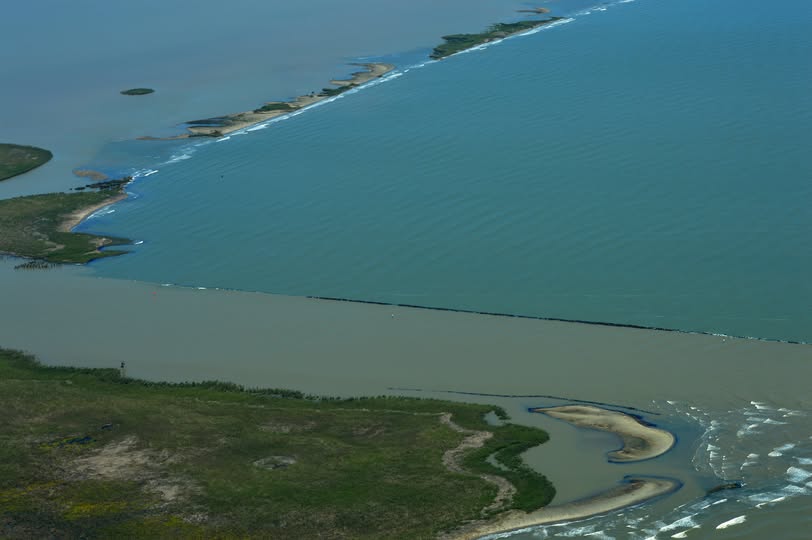
They support coastal communities in 4 main ways: They advocate for engagement of Gulf communities in decision-making processes affecting them, protect Gulf communities’ natural flood protection, help communities resist unsustainable development, and ensure Gulf communities’ infrastructure is stronger and more resilient. Healthy Gulf protects and restores the fish, oysters, and other marine resources that sustain coastal communities.
They monitor, document, resist, and reduce the impacts of the petrochemical industry by monitoring and reporting oil industry impacts, fighting for a Green New Deal, and protecting the Eastern Gulf Drilling Moratorium. Healthy Gulf monitors, communicates and influences water policies and permits to prevent or reduce pollution. They support this initiative by defending federal laws that protect Clean Water, and by reducing the nitrogen and phosphorus pollution flowing into the Gulf that cause the Gulf Dead Zone and toxic algae outbreaks.
A list of their incredible successes throughout the years can be found here: https://healthygulf.org/our-work/recent-victories/
 Emily Thomas, Healthy Gulf’s Donor Relations & Fundraising Coordinator, wrote the following about their recent Wild & Scenic Film Festival On Tour Event:
A highlight of the day was a special cooking demonstration and tasting by Chef Dana Honn, owner of Nikkei Izakaya and Tempero’s Kitchen. Prior to the event’s environmental panel, Honn prepared a fresh Cuban ceviche while discussing the importance of ethically sourced seafood and the challenges facing Gulf shrimpers and fisherfolk. The conversation explored how chefs, fishers, and advocates can work together to support coastal livelihoods and protect the health of the Gulf of Mexico.
After the delicious tasting, Healthy Gulf hosted an environmental panel featuring local advocates and scientists who discussed the connections between coastal restoration, sustainable seafood, and environmental justice across the Gulf Coast. Panelists shared insights on the economic and environmental pressures facing Gulf communities, the importance of protecting coastal ecosystems, and how everyday choices, like supporting responsibly sourced seafood, can help strengthen local economies and safeguard the region’s natural resources. The discussion concluded with an audience Q&A, encouraging attendees to engage directly with the speakers and explore ways they can support conservation efforts in their own communities.
Families and younger attendees also had the opportunity to engage with environmental themes through the interactive Clay Forest installation, presented by A Studio in the Woods. This hands-on outdoor classroom invites participants to shape clay pathways and explore native plantings that represent the fragile bottomland hardwood ecosystems along the Mississippi River. By blending art, ecology, and storytelling, the installation encourages visitors to consider the challenges of erosion, restoration, and resilience in Gulf Coast landscapes.
The day concluded with the Wild & Scenic Film Festival screening hosted at the Broad Theatre. By combining film with local food traditions, community dialogue, and interactive education, Healthy Gulf created a dynamic festival experience that illustrates the many creative ways partners can bring the Wild & Scenic Film Festival On Tour to life in their communities.